
Designing and building a commercial facility requires careful planning and coordination across multiple systems. From structural support and mechanical installations to climate management and storage solutions, every element must work together to create a safe, efficient, and long-lasting environment. Overlooking critical infrastructure components during the planning phase can lead to costly repairs, operational disruptions, and safety risks down the road.
Whether you are developing a warehouse, manufacturing plant, distribution center, or large retail complex, the infrastructure decisions you make early will influence the performance and longevity of the entire building. Working with experienced contractors and selecting the right equipment and materials ensures that your facility operates efficiently from day one.
The following guide explores several essential systems and components that should always be considered when planning a commercial facility.
Mechanical System Planning and Professional Expertise
A commercial facility relies on a wide range of mechanical systems to support operations. These systems include heating and cooling equipment, industrial piping, water systems, ventilation, and energy infrastructure. Proper planning requires coordination between architects, engineers, and contractors who understand how each system interacts with the building.
This is where experts in mechanical contracting play a vital role. These professionals oversee the design, installation, and maintenance of mechanical systems that keep a facility functioning properly. Their responsibilities often include coordinating HVAC equipment, plumbing systems, industrial piping, and energy-efficient mechanical solutions.
By working with experts in mechanical contracting early in the design phase, facility owners can ensure that equipment placement, duct routing, and mechanical layouts are optimized for performance and accessibility. This approach also helps prevent costly modifications later in the construction process.
Mechanical contractors also help ensure compliance with building codes and safety regulations. Their knowledge of system integration allows them to recommend the most effective solutions for temperature control, water management, and industrial processes.
Additionally, mechanical contractors often collaborate closely with electrical engineers and construction teams to ensure that all building systems function together seamlessly. This level of coordination is particularly important in facilities where machinery, environmental controls, and production processes must operate simultaneously.
Temperature Control and Air Management
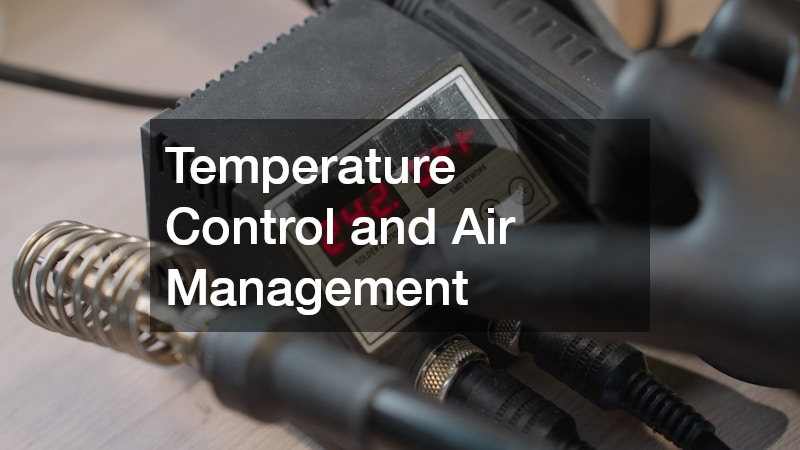
Indoor climate control is one of the most critical factors affecting employee comfort, equipment performance, and operational efficiency. Large commercial buildings require powerful heating and cooling systems capable of maintaining consistent temperatures across wide areas.
Many property owners rely on professional HVAC companies to design and install these systems. HVAC specialists evaluate the size of the building, occupancy levels, insulation, and operational needs to determine the most effective equipment configuration.
Modern commercial HVAC systems include advanced monitoring technology, energy-efficient components, and automated climate control systems. These features help reduce energy consumption while maintaining optimal indoor air quality.
In facilities such as manufacturing plants or data centers, temperature regulation becomes even more important. Sensitive equipment and production processes can be negatively affected by temperature fluctuations, making reliable HVAC infrastructure essential.
Working with experienced HVAC companies during the planning phase ensures the system will be properly sized, installed, and integrated into the overall building design. Properly designed systems also support improved ventilation, humidity control, and indoor air quality, which contributes to a healthier work environment for employees.
Cooling Infrastructure for Industrial Environments
Many commercial and industrial facilities rely on specialized cooling systems to regulate equipment temperatures and prevent overheating. Cooling towers are commonly used in large buildings, manufacturing operations, and power generation facilities to remove excess heat from water-based cooling systems.
Regular maintenance is essential for these systems to function efficiently. Over time, scale buildup, debris, and biological contaminants can accumulate within the tower, reducing its effectiveness and potentially causing mechanical issues.
One important maintenance task that facility planners must consider is cooling tower cleaning. This process removes accumulated deposits and contaminants that can restrict water flow or reduce heat transfer efficiency.
Incorporating maintenance access and service space into the facility design makes cooling tower cleaning easier and safer. Proper planning also ensures that technicians can perform inspections and repairs without disrupting operations.
Maintaining clean and efficient cooling infrastructure extends equipment life and improves energy efficiency throughout the facility. Preventative maintenance programs that include routine inspection and cleaning help ensure the cooling system continues operating at peak performance.
Water Heating and Plumbing Systems
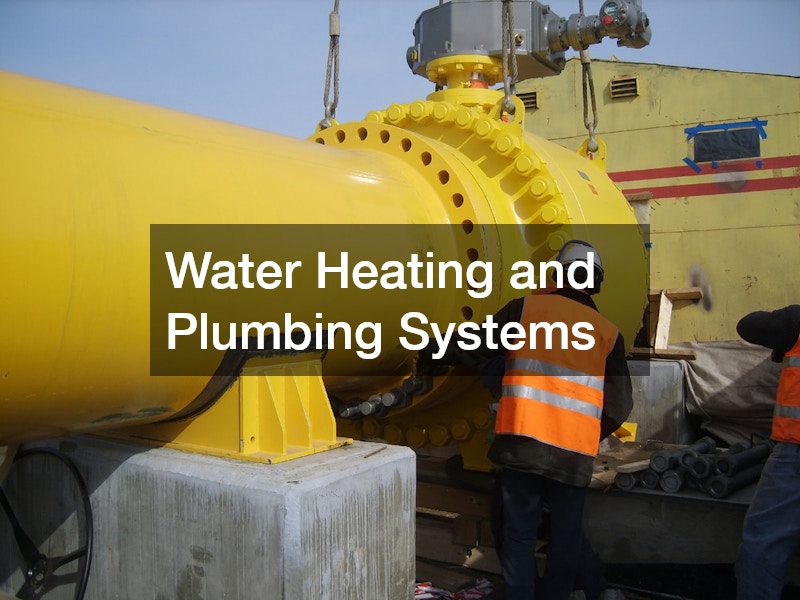
Reliable hot water systems are essential in many commercial environments, including restaurants, hotels, manufacturing plants, and healthcare facilities. These systems support sanitation, production processes, and employee needs.
A commercial water heater must be selected based on the building’s size, usage requirements, and energy efficiency goals. Larger facilities often require high-capacity units or multiple water heating systems working together.
During the planning phase, engineers must consider factors such as peak water demand, recovery rates, and distribution system design. Proper pipe sizing and insulation also play an important role in maintaining consistent water temperatures throughout the building.
Installing an appropriately sized commercial water heater ensures reliable performance and helps prevent operational disruptions caused by insufficient hot water capacity.
Incorporating energy-efficient models can also help facility owners reduce long-term operating costs while maintaining dependable water heating performance. Many modern systems include smart controls that monitor energy usage and adjust heating output based on demand.
Structural Installation and Heavy Equipment Support
Constructing a large commercial building often involves installing heavy equipment, structural steel, and industrial components that cannot be handled using standard construction methods. Specialized lifting equipment is frequently required to safely position these materials.
A crane company is typically responsible for handling these large-scale lifting operations. Cranes are used to move structural beams, HVAC units, cooling equipment, and other heavy materials into place during construction.
Working with a professional crane company ensures that lifting operations are conducted safely and efficiently. These specialists understand load calculations, equipment capabilities, and safety protocols that protect both workers and materials.
Planning for crane access and lifting zones is an important step during site development. Sufficient space must be available for crane positioning, staging, and maneuvering throughout the construction process.
Proper coordination between construction teams and crane operators helps keep projects on schedule while minimizing safety risks. In many large-scale developments, crane operations become one of the most critical logistical elements of the construction process.
Industrial Piping and Connection Components
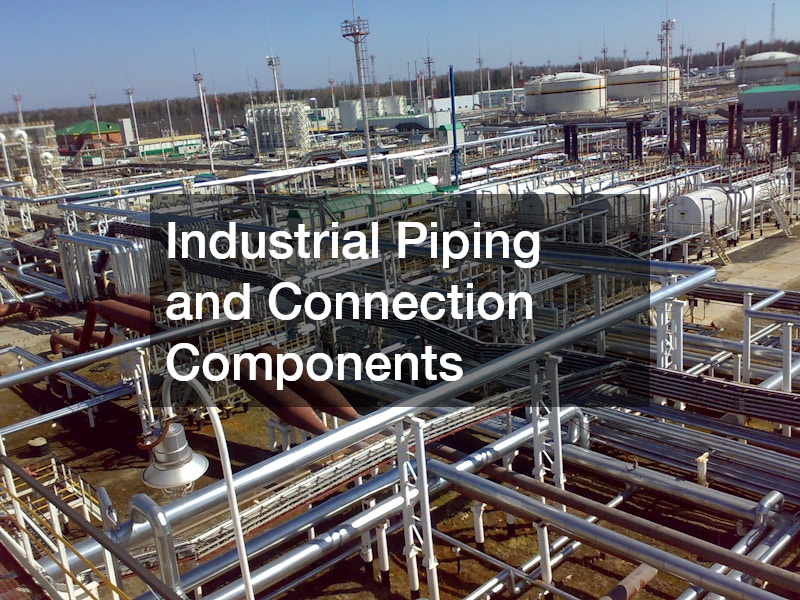
Many commercial facilities rely on complex piping systems to transport liquids, gases, and industrial materials throughout the building. These systems must be designed for durability, reliability, and ease of maintenance.
One essential component used in industrial piping systems is the metal flange. Flanges provide secure connection points between pipes, valves, pumps, and other mechanical equipment.
A metal flange allows technicians to assemble and disassemble piping systems for maintenance, inspection, or replacement. These components are commonly used in water systems, HVAC infrastructure, chemical processing plants, and manufacturing facilities.
Selecting high-quality flange materials ensures that the system can withstand pressure, temperature changes, and corrosion over time. Proper installation techniques also help prevent leaks and mechanical failures.
During the planning phase, engineers determine the appropriate flange types and materials based on system requirements and operating conditions. Investing in durable piping components during construction significantly reduces maintenance challenges in the future.
Internal Tower Components for Industrial Processing
Certain industrial operations rely on specialized equipment such as distillation columns or absorption towers to separate chemicals or process materials. Inside these towers, internal components play a critical role in improving efficiency and maximizing contact between liquids and gases.
One commonly used component in these systems is metal random packing. These small metal structures are placed inside industrial towers to increase surface area and improve mass transfer efficiency.
Metal random packing allows fluids and gases to interact more effectively, enhancing the performance of distillation, chemical processing, and filtration systems. The design of these components promotes efficient distribution of materials while minimizing pressure drops within the tower.
Facilities that rely on chemical processing or energy production often incorporate towers containing metal random packing as part of their production infrastructure.
Selecting the correct type and configuration of packing material is essential for achieving optimal performance in these specialized systems. Engineers typically evaluate factors such as tower size, flow rate, and operating conditions when choosing the appropriate packing material.
Drainage Systems and Surface Water Control
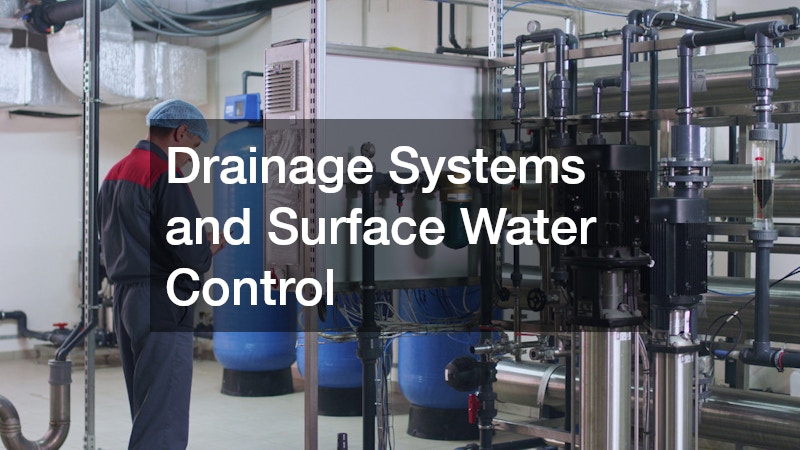
Proper drainage is an often-overlooked aspect of commercial facility planning. Without adequate drainage infrastructure, water can accumulate on walkways, parking areas, and loading zones, creating safety hazards and potential property damage.
Drainage systems help manage stormwater and direct excess water away from critical areas of the facility. One common component used in these systems is drain grates.
Drain grates cover drainage openings while allowing water to flow through. They also prevent debris, trash, and other materials from entering the drainage system and causing blockages.
Facilities with heavy vehicle traffic must use durable drain grates designed to withstand significant weight loads. Materials such as cast iron or reinforced steel are commonly used to provide strength and longevity.
Properly designed drainage infrastructure protects both the building and surrounding property while reducing maintenance requirements over time. Drainage planning should also account for regional rainfall patterns and local regulations regarding stormwater management.
Interior Finishes and Long-Term Protection
While structural systems and mechanical equipment often receive the most attention during facility planning, interior finishes also play an important role in maintaining the building’s condition.
High-quality interior paint serves both aesthetic and functional purposes. In addition to improving the appearance of workspaces, paint can provide protective coatings that help prevent corrosion, moisture damage, and surface deterioration.
Industrial environments often require specialized coatings that resist chemicals, abrasion, or high humidity levels. Selecting the right type of interior paint ensures that walls and surfaces remain durable under demanding conditions.
Paint also contributes to workplace safety by improving visibility, defining walkways, and identifying equipment zones. Many facilities use color-coded markings to indicate hazardous areas or emergency exits.
Choosing durable interior paint systems during construction helps reduce maintenance costs and keeps the facility looking professional for years to come.
Storage Solutions for Sensitive Materials
Many commercial operations require storage areas designed to protect sensitive products, equipment, or documents. Temperature fluctuations and humidity changes can damage certain materials, making climate control an important consideration.
Climate controlled storage solutions provide consistent temperature and humidity conditions that protect items from environmental damage. These spaces are commonly used for storing electronics, pharmaceuticals, artwork, documents, and other sensitive materials.
Integrating climate controlled storage areas into the facility design ensures that valuable inventory remains protected. Proper insulation, air circulation, and monitoring systems help maintain stable environmental conditions.
These storage areas are especially important for businesses that handle temperature-sensitive products or require long-term preservation of important materials. For example, pharmaceutical companies must store medications within specific temperature ranges to maintain their effectiveness, while manufacturers may need to protect precision components from moisture that could cause corrosion or material degradation. Similarly, archival records, legal documents, and historical materials can deteriorate quickly if exposed to high humidity or fluctuating temperatures.
Modern storage systems often incorporate advanced monitoring technology that continuously tracks temperature and humidity levels. If conditions move outside acceptable ranges, automated alerts can notify facility managers so adjustments can be made quickly. This added layer of oversight helps prevent costly product losses and ensures regulatory compliance in industries with strict storage standards.
In addition to protecting inventory, climate controlled storage can also support better organization and operational efficiency. Properly designed storage areas allow businesses to safely store valuable goods while maintaining easy access for employees, inventory management systems, and routine inspections.
Bringing It All Together
Planning a commercial facility requires careful consideration of numerous infrastructure components. Mechanical systems, cooling equipment, water heating infrastructure, and industrial piping must all work together to support daily operations.
Working with qualified professionals—including experts in mechanical contracting, HVAC companies, and a reliable crane company—helps ensure that the building is constructed safely and efficiently. At the same time, selecting the right materials and equipment, such as metal flange connections, metal random packing components, and durable drain grates, improves long-term reliability.
Other elements like interior paint, climate controlled storage, and proper cooling tower cleaning procedures also play an important role in maintaining the facility’s functionality and appearance.
By addressing these critical components during the planning stage, facility owners can create buildings that operate efficiently, remain safe for occupants, and support business operations for many years to come. Careful infrastructure planning ultimately leads to lower maintenance costs, improved performance, and a more resilient commercial facility.
