Planning a construction or renovation project can be exciting, but managing all the details can quickly become overwhelming. From coordinating subcontractors to selecting materials and keeping the project on schedule, there are many responsibilities involved in bringing a building project to life. A general contractor helps simplify this process by overseeing the work, managing resources, and keeping the project moving toward completion. Whether you’re planning a home renovation, a commercial build-out, or a major property improvement, working with an experienced contractor can make the experience more organized and manageable.
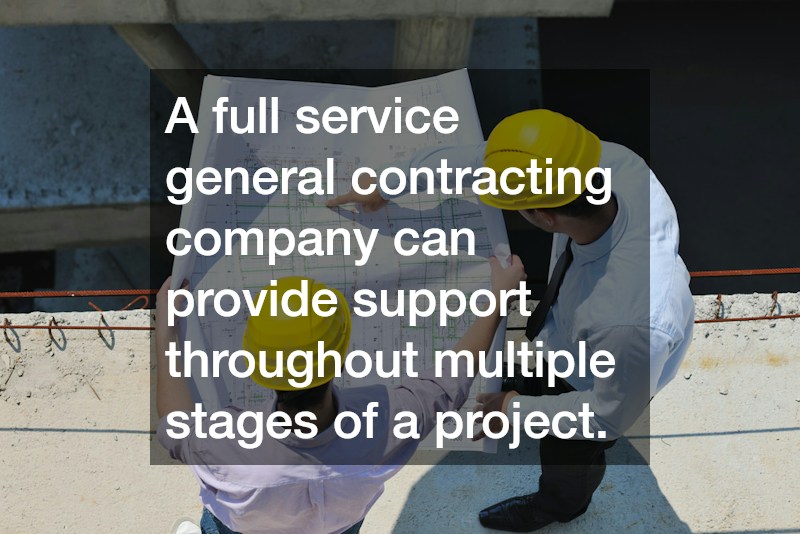
A full service general contracting company can provide support throughout multiple stages of a project, helping property owners make informed decisions and coordinate the work needed to achieve their goals. Understanding what a general contractor does can help you determine when professional assistance is worthwhile and what to expect throughout the construction process.
Managing Project Planning and Preparation
Every successful construction project begins with careful planning. Before work starts, a general contractor can help establish the project’s scope, identify necessary tasks, and develop a realistic timeline. This early preparation helps property owners understand what the project involves and what decisions need to be made before construction begins.
Contractors can also help evaluate project requirements, review plans, and identify potential challenges. For example, a renovation may require structural changes, updated utilities, or adjustments to an existing layout. Addressing these considerations early can reduce unexpected complications once work is underway.
Budget planning is another important part of preparation. A general contractor can help estimate labor, materials, equipment, and other project expenses. While construction costs can change due to unforeseen conditions or material availability, a detailed estimate provides a starting point for financial planning.
By establishing clear expectations from the beginning, a contractor helps property owners better understand the work ahead and make decisions that support their priorities.
Coordinating Subcontractors and Construction Teams
Many construction projects require several specialized professionals. Electricians, plumbers, carpenters, painters, and other tradespeople may each have specific responsibilities that must be completed in the correct order. Coordinating these individuals independently can create scheduling challenges and communication gaps.
A general contractor serves as a central point of contact for the construction team. They coordinate subcontractors, organize work schedules, and help ensure that different phases of the project fit together properly.
For instance, electrical and plumbing work typically needs to be completed before walls are closed and finished surfaces are installed. If these tasks aren’t coordinated correctly, a project may experience unnecessary delays or additional labor costs. A contractor helps organize the sequence of work to avoid these problems whenever possible.
Working with a full service general contracting company can also simplify communication for property owners. Instead of contacting multiple professionals to ask about progress or resolve scheduling questions, you can communicate with the contractor overseeing the project.
This centralized management helps keep everyone informed and makes it easier to address concerns as they arise.
Helping Manage Budgets and Material Selection
Construction costs can add up quickly, especially when a project involves extensive renovations or specialized materials. A general contractor helps manage these expenses by tracking project costs, reviewing material requirements, and coordinating purchases.
Contractors may recommend materials based on durability, appearance, maintenance needs, and budget. For example, a commercial property owner might prioritize flooring that can withstand heavy foot traffic, while a homeowner may prefer finishes that complement an existing interior design.
An experienced contractor can explain the advantages and limitations of different options, helping you compare materials before making a final decision. They may also coordinate deliveries to ensure supplies arrive when needed.
Budget management involves more than choosing affordable materials. It also requires monitoring labor costs, identifying potential cost overruns, and communicating when changes could affect the overall investment.
Although no contractor can eliminate every unexpected expense, consistent cost tracking and clear communication can make financial decisions easier to manage.
Overseeing Construction Quality and Safety
Construction quality affects how a building looks, functions, and performs over time. A general contractor oversees the work being completed and checks that different project components meet the applicable requirements and agreed-upon specifications.
This oversight can involve reviewing completed work, coordinating inspections, and addressing issues that arise during construction. If a problem is identified, the contractor can work with the appropriate tradesperson to determine what needs to be corrected.
Safety is another important consideration. Construction sites involve tools, equipment, building materials, and activities that require appropriate precautions. General contractors help coordinate site safety practices and communicate expectations to the workers involved.
Depending on the project, they may also coordinate required permits and inspections with the appropriate local authorities. Property owners should discuss these responsibilities before work begins so everyone understands who will handle the necessary documentation.
Choosing a full service general contracting company that takes quality control and safety seriously can help you feel more confident about how your project is being managed.
Keeping Projects on Schedule
Delays can affect construction budgets, property access, business operations, and personal plans. Although weather, supply shortages, and unexpected building conditions can interfere with even carefully planned projects, effective scheduling helps reduce avoidable disruptions.
A general contractor develops and manages the project schedule, coordinating labor, material deliveries, inspections, and individual construction phases. They also monitor progress and adjust plans when circumstances change.
For a commercial renovation, this coordination can be especially valuable. A business may need certain areas completed before reopening or require construction activities to be scheduled around regular operations. A contractor can discuss these needs and develop a schedule that accounts for important deadlines.
Regular progress updates also help property owners understand whether work is proceeding as expected. When delays occur, clear communication makes it easier to discuss the cause, potential solutions, and any changes to the anticipated completion date.
Simplifying Communication From Start to Finish
Construction projects involve many decisions, and property owners need reliable information to make them. A general contractor helps connect the different people involved while keeping the project’s goals and requirements in focus.
From initial consultations to final walkthroughs, the contractor can explain upcoming tasks, communicate important changes, and answer questions about the work. This support is particularly useful when unexpected conditions require adjustments to the original plan.
A full service general contracting company can provide continuity throughout the construction process, helping property owners understand each phase rather than managing disconnected tasks independently.
Before hiring a contractor, ask about communication methods, progress reports, change-order procedures, and how concerns will be handled. Establishing these expectations early can help build a productive working relationship.
Choosing the Right General Contractor for Your Project
A general contractor can bring organization, coordination, and professional oversight to construction projects of many sizes. By managing schedules, coordinating subcontractors, monitoring expenses, and overseeing workmanship, they help property owners handle the practical details involved in construction and renovation.
The right contractor should have relevant project experience, communicate clearly, provide a detailed written estimate, and explain the responsibilities included in the agreement. It’s also worth reviewing references, confirming appropriate licensing and insurance, and discussing how unexpected changes will be managed.
Whether you’re updating an existing property or planning a new construction project, partnering with a full service general contracting company can make it easier to coordinate the work and maintain a clear understanding of project expectations.
Take time to evaluate your goals, establish a realistic budget, and speak with qualified contractors about your plans. With the right professional support, you can move forward with greater confidence and work toward a finished space that meets your needs.