
The logistics industry is built on a single, uncompromising principle: if the wheels are not turning, you are not making money. The true cost of idling assets extends far beyond the immediate loss of a load’s revenue. When a power unit or a piece of trailing equipment sits in a service bay or on the shoulder of a highway, the financial hemorrhage begins. According to industry data, the cost of an unexpected breakdown can easily exceed hundreds of dollars per hour when factoring in the physical repair costs, lost driver wages, late delivery penalties, and the sheer operational chaos it creates.
However, the financial blow is only the first ripple in a much larger pond. Prolonged or frequent downtime severely impacts driver retention. Drivers are paid by the mile, and when their equipment fails, their paycheck shrinks. In an industry notoriously plagued by driver shortages, putting your operators in unreliable equipment is a fast track to high turnover rates. Furthermore, consistent delays damage client relationships. Modern supply chains operate on strict, just-in-time delivery schedules. When you become the bottleneck in your customer’s supply chain, they will inevitably seek out more reliable capacity.
This guide is designed to help fleet managers, owner-operators, and maintenance directors shift from a reactive mindset to a proactive, highly controlled operational strategy. By implementing a multi-faceted approach to equipment management, you can drastically reduce unexpected failures, streamline your maintenance operations, and keep your fleet moving smoothly. What follows is a comprehensive blueprint for reclaiming your uptime and turning equipment reliability into one of your most powerful competitive advantages.
Implement a Mileage-Based Preventative Maintenance Schedule
The foundation of any successful fleet operation is a rigorous, data-driven maintenance program. The days of scheduling service purely based on a calendar are long gone. Time is a poor indicator of wear and tear; a rig that runs regional routes may accumulate a fraction of the wear of a team-driven over-the-road truck in the same timeframe. Basing your maintenance schedules strictly on telematics data, engine hours, and precise mileage benchmarks ensures that equipment is serviced exactly when it needs it, preventing catastrophic failures without wasting money on premature maintenance.
Pre-Trip and Post-Trip Mastery
Drivers are your absolute first line of defense against equipment failure. A rushed or skipped inspection is often the root cause of a breakdown that could have easily been avoided in the yard.
-
The Walkaround: Emphasize the critical nature of thorough Department of Transportation (DOT) mandated inspections. Drivers must physically check tire pressure, tread depth, brake stroke, and gladhand seals before the key ever turns in the ignition.
-
Digital Reporting: Transition away from paper logs to electronic Driver Vehicle Inspection Reports (eDVIRs). Digital reports allow drivers to instantly flag defects, sending real-time notifications directly to the maintenance department.
-
Incentivizing Diligence: Consider implementing a bonus program for drivers who consistently catch and report minor defects—like a frayed belt or a weeping seal—before they turn into roadside emergencies.
The Value of Expertise
The complexity of modern aftertreatment systems, including Diesel Particulate Filters (DPF) and Selective Catalytic Reduction (SCR) systems, requires highly specialized knowledge. It is no longer enough to just have someone who can turn a wrench. You need a highly skilled diesel truck mechanic who understands the intricacies of computer-controlled fuel injection, variable geometry turbochargers, and complex electrical routing. Investing in continuing education for your in-house technicians ensures they can accurately diagnose the root cause of an issue rather than just throwing parts at a symptom. Prompt and accurate semi truck and trailer repair relies heavily on the technician’s ability to interface with advanced diagnostic software to read and interpret manufacturer-specific fault codes.
Fluid and Filter Management
Fluids are the lifeblood of heavy-duty equipment. Establishing a strict regimen for fluid analysis and replacement can extend the life of your engine by hundreds of thousands of miles.
-
Oil Sampling: Do not just change the oil; analyze it. Regular oil sampling can reveal trace metals, coolant leaks, or fuel dilution, giving you advanced warning of internal engine wear before a catastrophic failure occurs.
-
Coolant Integrity: Coolant does more than prevent freezing; it prevents cavitation and liner pitting. Test the supplemental coolant additives (SCA) regularly to ensure the chemical balance remains protective.
-
Fuel Filtration: Modern high-pressure common-rail fuel systems are incredibly sensitive to water and debris. Establish a strict schedule for replacing fuel-water separators and primary fuel filters, especially when operating in regions with poor fuel quality.
Build Relationships with Reliable Component Suppliers

A preventative maintenance program is only as effective as the supply chain supporting it. When a rig is brought into the bay for scheduled service or unexpected repairs, the clock is ticking. If your technicians have to wait three days for a replacement component to be shipped, your maintenance schedule has failed. Fleet managers must take a proactive approach to inventory management, building a resilient network of vendors long before an emergency strikes.
Creating an In-House Inventory
You do not need to stock every single nut and bolt, but you must keep high-wear, high-frequency items on hand at all times. Maintaining a strategic in-house inventory allows your technicians to turn equipment around in hours rather than days.
-
Air Systems: Always stock extra air hoses, gladhands, air governor valves, and brake chamber diaphragms. Air leaks are incredibly common and will immediately place a rig out of service during a roadside inspection.
-
Electrical and Lighting: Keep a robust supply of pigtails, LED light modules, fuses, and alternating current generators (alternators).
-
Braking Components: Maintain a healthy stock of brake shoes, drums, and slack adjusters.
-
Suspension and Ride: Keep leveling valves, airbags, and shock absorbers readily available.
Supplier Vetting and Predictive Ordering
When evaluating vendors, look beyond the sticker price. A cheaper component is not a bargain if it takes a week to arrive or fails prematurely. Evaluate your suppliers based on their inventory depth, regional distribution centers, and their ability to provide hot-shot deliveries in an emergency. When sourcing trailer parts, weigh the benefits of Original Equipment Manufacturer (OEM) components against aftermarket alternatives. While aftermarket options may be more cost-effective for static items like mudflaps or hinges, OEM components are generally recommended for critical safety systems like ABS modules or wheel ends to ensure compatibility and warranty compliance.
Furthermore, leverage your maintenance software to practice predictive ordering. By analyzing historical repair data, you can anticipate when specific components are likely to fail across your fleet. If data shows that a specific brand of water pump tends to fail around the 350,000-mile mark, you can order the replacements in advance and schedule the installation before the failure occurs. For major structural issues, such as rebuilding a wrecked refrigerated unit or replacing a severely damaged tandem axle slider, outsourcing these complex trailer repairs to specialized shops can often result in a faster turnaround time than tying up your own technicians and bay space for weeks.
Create a Rapid-Response Protocol for On-Road Breakdowns

Despite the most rigorous preventative maintenance programs, on-road breakdowns will still happen. Weather, road debris, and unforeseen mechanical fatigue are unavoidable variables in the transportation industry. The difference between a minor hiccup and a logistical nightmare lies entirely in how quickly and efficiently your team responds to the crisis. Having a standardized, pre-vetted protocol in place eliminates panic and ensures that every breakdown is handled with precision.
Triage the Situation
When a driver calls in a breakdown, the initial conversation is critical. Dispatchers and maintenance coordinators must act as triage nurses, asking the right questions to assess the severity of the situation.
-
Safety First: The immediate priority is the safety of the driver and the motoring public. Is the rig safely on the shoulder? Are the warning triangles deployed? Is the driver in a secure location?
-
Symptom Diagnosis: Train dispatchers to ask specific questions. What color was the smoke? Was there a sudden loss of air pressure? Did the engine derate before shutting down? Gathering accurate symptoms helps determine if the issue can be fixed roadside or if a wrecker is required.
-
Temporary vs. Permanent Fixes: Guide drivers on safe, legally permissible temporary fixes. For example, if a brake chamber fails, the driver may be able to cage the brake and safely limp the rig to a nearby truck stop for a proper repair, avoiding the cost of a highway tow.
Partnering for Recovery
If the rig cannot be fixed roadside and cannot safely move under its own power, recovery becomes the top priority. Scrambling to find a wrecker at 2:00 AM on a Sunday is a guaranteed way to overpay and experience massive delays. Long before your trucks hit the road, you should establish corporate accounts and clear pricing agreements with reliable semi towing services along your most frequent lanes. Having an established account often guarantees priority dispatch, meaning your rig gets picked up before the independent operator who is paying cash.
When expanding your operations into new territories or running irregular routes, broaden your safety net by partnering with national breakdown management networks. These organizations have pre-negotiated rates and heavily vetted networks of heavy-duty towing services across the country. They can leverage their volume to secure faster response times and prevent predatory pricing when your equipment breaks down hundreds of miles away from your home terminal. Furthermore, ensure your breakdown protocol explicitly outlines where the equipment should be towed—whether back to your terminal, to a designated dealership, or to an approved independent shop—so the wrecker driver isn’t left guessing.
Time Your Asset Replacements Before Degradation Occurs
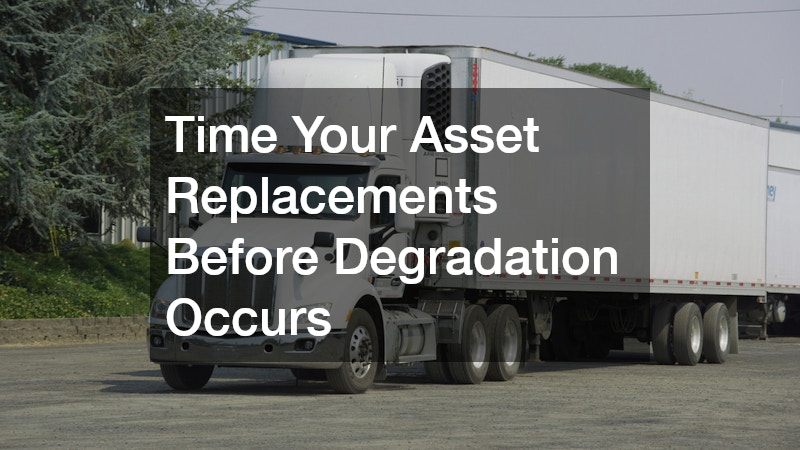
There is a distinct lifecycle for every piece of heavy-duty equipment. In the beginning, depreciation is the highest cost factor, but maintenance is virtually non-existent. As the equipment ages, depreciation slows down, but maintenance costs begin to climb. Eventually, the lines cross. Running equipment past its optimal lifecycle is one of the most common causes of excessive downtime. To maximize uptime, fleet managers must become experts at timing asset replacements right before the steep curve of mechanical degradation begins.
The Lifecycle Sweet Spot and Cost Per Mile
To determine exactly when an asset has outlived its usefulness, you must relentlessly track its Cost Per Mile (CPM). This calculation should include fuel consumption, preventative maintenance, unscheduled repairs, and tires. When the CPM of a specific unit consistently exceeds the fleet average, or when the cost of projected maintenance (like an impending engine overhaul or transmission replacement) eclipses the current value of the asset, it is time to cycle it out.
-
Analyze Historical Data: Look at your fleet’s historical data to identify mileage markers where costs spike. For many over-the-road fleets, this might be around the 450,000 to 500,000-mile mark for power units, while trailing equipment might last a decade if well-maintained.
-
Staggered Rollouts: Never buy an entire fleet of trucks or trailing equipment at the exact same time. If you do, they will all age out and require major overhauls simultaneously, crippling your operation. Practice phased, staggered replacements so you always have a healthy mix of brand-new and mid-life assets.
Navigating the Market
When it is time to upgrade, proactive sourcing is vital. Waiting until you desperately need a replacement forces you to pay a premium. Build ongoing relationships with reputable trailer dealers to secure fleet allocations well in advance of your needs. Establishing these relationships can often yield volume discounts, preferential financing terms, and guaranteed buyback programs that remove the headache of offloading your aging equipment.
If capital constraints require you to explore the pre-owned market, approach it with extreme caution. When browsing through the vast inventory of used trailers for sale, you must deploy a rigorous inspection process to ensure you aren’t purchasing another company’s deferred maintenance.
-
Inspect the Kingpin: Check the kingpin for excessive wear or mushrooming, which indicates severe abuse or lack of lubrication.
-
Examine the Subframe: Inspect the slider rails and subframe for cracks, re-welds, or severe corrosion.
-
Check the Flooring: For dry vans and reefers, walk the entire floor looking for soft spots, delamination, or forklift damage that could compromise the cargo.
-
Review Maintenance Records: Insist on seeing the lifetime maintenance records. A gap in the records is a massive red flag.
Utilize Flexible Capacity Solutions During Unexpected Delays
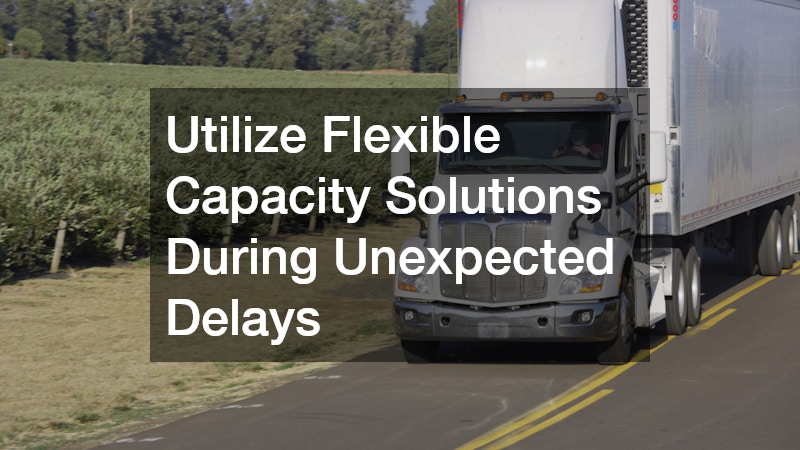
Even with a flawless maintenance program and a perfectly timed replacement cycle, severe accidents, extended supply chain delays for critical components, or natural disasters will eventually cause prolonged equipment outages. When a power unit or a vital piece of trailing equipment is down for weeks instead of days, you must have flexible capacity solutions in place to keep your freight moving. Downtime for the equipment does not have to mean downtime for your revenue stream.
Creative Staging and Cross-Docking
When a power unit breaks down but the load must be delivered immediately, cross-training your dispatchers is essential. They need the authority and the visibility to quickly identify an available driver and an empty tractor nearby to execute a “power only” rescue, swapping the disabled tractor out and getting the load back on schedule.
However, if a piece of trailing equipment fails and cannot be unloaded immediately, you face a different logistical challenge. If a terminal is overwhelmed or a customer is delaying intake, renting mobile storage trailers can be an incredibly effective pressure relief valve. These rented units can serve as temporary cross-docking facilities or overflow storage right in your yard, allowing you to quickly offload a disabled unit, transfer the priority freight to a roadworthy rig, and safely store the remaining goods until they can be processed. This prevents your terminal from grinding to a halt when equipment bottlenecks occur.
Outsourcing the Overflow and Reallocating Drivers
When your maintenance bays are backlogged or a rig requires a highly specialized repair, you must be willing to leverage outside resources. Trying to keep everything in-house out of stubbornness will only compound your downtime. Develop a network of trusted external shops to handle overflow work. When utilizing these external vendors, track their turnaround times closely. Monitoring the speed and accuracy of outsourced semi truck repairs allows you to build a reliable tier-list of vendors you can trust during high-pressure situations.
Furthermore, you must aggressively manage the human element of downtime. When a driver’s assigned truck goes down for a major overhaul, you cannot simply send them home without pay and expect them to stick around.
-
Slip-Seating: Utilize slip-seating protocols to put the stranded driver into a truck that belongs to someone who is currently on home time.
-
Rental Power: Maintain a corporate account with a commercial truck rental agency. Renting a day-cab or sleeper for two weeks is expensive, but it is vastly cheaper than losing a dedicated customer because you missed a critical volume commitment, and it keeps your driver earning a paycheck.
-
Yard Duties: If no driving options are available, offer the driver paid administrative or yard duties—such as shuttling trailers, performing terminal yard checks, or assisting in the safety department—to bridge the financial gap until their equipment is ready.
Turning Uptime into Your Competitive Advantage
The transportation industry is unforgiving, and the margins are often razor-thin. In this environment, downtime cannot be viewed as a mere nuisance or an unavoidable cost of doing business; it must be treated as a predictable, manageable metric that requires intense operational focus. By shifting your perspective from reactive damage control to proactive asset management, you fundamentally alter the trajectory of your business.
The compound effect of these strategies—rigorous preventative maintenance, strategic vendor relationships, rapid emergency protocols, timed asset lifecycles, and flexible capacity planning—leads directly to a stronger bottom line. When your fleet runs reliably, your drivers are happier and more loyal, your clients trust you with their most critical freight, and your insurance premiums stabilize as your safety scores improve. Do not wait for the next catastrophic breakdown to evaluate your operations. Audit your current maintenance schedules, review your emergency contact lists, and begin implementing these strategies today. The road ahead is demanding, but with a reliable fleet, you hold the keys to navigating it successfully and profitably.
